

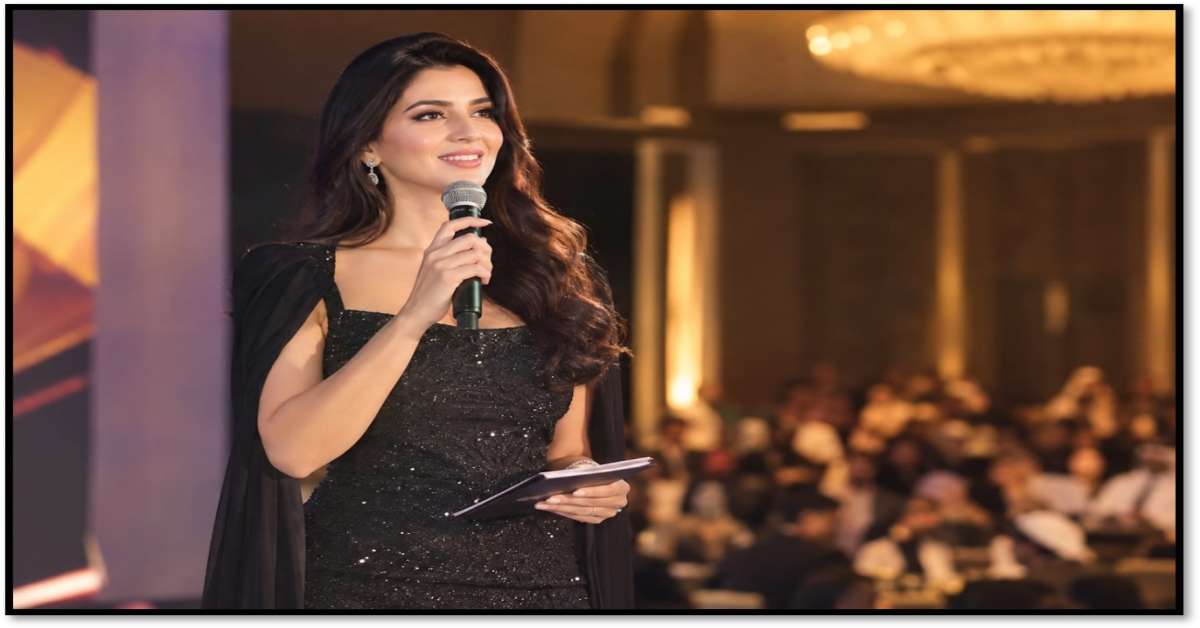
Choosing an anchor can feel difficult because many presenters appear confident in promotional photos and short videos. Real live-event hosting, however, requires more than looking comfortable on stage. The anchor must manage timing, communicate clearly, respond to unexpected changes and keep guests engaged without becoming the centre of attention.
Whether you are considering a Dubai Celebrity Anchor for Events or an experienced professional presenter, the most important question is not how famous the person is. It is whether their skills, style and preparation match your event.
Start With Relevant Experience
Hosting experience should be one of the first things organisers check.
A presenter may be excellent at television interviews but less experienced with live events. Another may be outstanding at weddings but unfamiliar with corporate conferences.
Ask what kinds of programmes the anchor has hosted before.
Relevant experience makes it easier to judge whether the person understands the rhythm of your event.
Watch Full-Length Performance Examples
Short promotional clips can be useful, but they usually show only the strongest moments.
If possible, watch longer sections from real events.
Look at how the anchor handles transitions, introductions and quieter moments—not only energetic crowd interactions.
Good hosting often appears effortless because the presenter keeps the event moving without drawing attention to every technical detail.
Listen to Voice and Pronunciation
Clear speaking is essential.
The anchor should pronounce names accurately, vary tone naturally and speak at a pace the audience can follow.
Dubai events often include international guests and speakers, so the presenter may need to pronounce names from several languages.
Professional anchors should ask for pronunciation guidance rather than guessing.
Look for Audience Awareness
A strong Party Anchor in Dubai needs to understand when the crowd wants energy and when people need space.
Constant shouting or demanding audience participation can become tiring.
A good anchor watches reactions.
If guests are enjoying themselves, the host may increase interaction. If the audience appears uncomfortable, the host should know how to change direction.
This ability comes from experience.
Ask How the Anchor Handles Delays
This is one of the most revealing questions you can ask.
Imagine a performer is twenty minutes late or a technical problem prevents a video from playing.
What will the anchor do?
An experienced presenter may extend an interaction, introduce another programme element or communicate discreetly with the stage manager.
A less experienced host may repeatedly announce the delay, making the problem more noticeable.
Professional Preparation Is a Strong Sign
The Best Anchor in Dubai for your event will not simply arrive and ask for the script five minutes before going on stage.
Professional hosts usually want information beforehand.
They may ask about:
- Event objectives
- Guest profile
- Correct name pronunciation
- Special announcements
- Programme timings
- Cultural considerations
- Speakers
- Entertainment acts
- Technical cues
- Sensitive topics to avoid
These questions show that the anchor is thinking about the event as a complete experience.
Confidence Should Not Become Dominance
A confident host is valuable, but there is a difference between commanding the stage and dominating it.
The event should remain focused on the couple, company, speakers, performers or guests of honour.
Anchors who constantly tell long personal stories or make themselves the main attraction can distract from the programme.
Professional presenters know when to step forward and when to disappear into the background.
Check Cultural Awareness
Dubai's international population makes cultural sensitivity particularly important.
An anchor may address Arab families, European executives, Indian wedding guests and international tourists at different events.
Humour, greetings and audience interaction should therefore be appropriate for the people in the room.
A presenter who relies heavily on culturally specific jokes may struggle with a mixed audience.
Bilingual Ability Can Be Valuable
Some events benefit from bilingual hosting.
English and Arabic combinations are common, while other events may require Hindi, Urdu, French or additional languages.
If language ability matters, request genuine examples.
Memorising a few opening lines is not the same as confidently managing live announcements and spontaneous interaction.
Look at Timing Discipline
Excellent anchors understand that every minute matters.
If the programme allows three minutes for an introduction, the host should not turn it into ten.
Long introductions can affect catering, performances, speaker schedules and technical production.
Professional time management is especially important at conferences and awards programmes.
Ask for References or Reviews
Previous clients can provide useful information.
Look for feedback that mentions reliability, preparation, communication and flexibility rather than only saying the person was "fun" or "amazing."
Professionalism before and after the event matters just as much as what happens on stage.
Consider Chemistry
Sometimes an anchor may be highly experienced but still feel wrong for your event.
A short meeting can reveal a lot.
Does the person listen to your ideas?
Do they understand your preferred tone?
Are they trying to force their standard format onto your programme?
Good chemistry between the host and organiser makes planning much easier.
Celebrity Status Is Not Everything
A recognisable presenter can add excitement and prestige to certain events.
However, celebrity status does not automatically guarantee better hosting.
A well-known personality may be ideal for a brand launch where public recognition adds value, while a less famous but highly experienced emcee may be better at managing a complex wedding or conference.
The decision should be based on objectives.
Review the Contract Carefully
Professional bookings should include clear terms.
Check:
- Event date
- Hosting hours
- Rehearsal requirements
- Additional charges
- Travel arrangements
- Cancellation terms
- Overtime rates
- Language requirements
Written agreements reduce misunderstandings later.
Understand the Anchor's Role
Some organisers expect the anchor to create the entire event programme.
Others already have a planner or production agency.
Clarify responsibilities.
The host can contribute ideas, but programme design, entertainment coordination and production management may remain separate services.
Knowing who is responsible for what prevents confusion.
Warning Signs to Watch For
Be cautious if a presenter:
- Refuses to discuss the programme
- Cannot provide hosting examples
- Avoids questions about experience
- Promises unrealistic outcomes
- Ignores timing
- Uses inappropriate humour
- Arrives unprepared
- Does not communicate with the production team
One warning sign may not automatically make someone unsuitable, but several should encourage organisers to reconsider.
Choose for Your Audience
The audience should influence the final decision.
A young entertainment crowd may enjoy an energetic and interactive host.
Senior business executives may prefer someone polished and concise.
A multicultural wedding may require warmth, language flexibility and cultural awareness.
The best anchor is the person who connects naturally with the people attending.
Conclusion
Knowing whether an anchor is good enough for your special event requires more than reviewing popularity or social-media followers. Relevant experience, communication skills, timing, preparation, cultural awareness and adaptability provide a much better indication of professional ability.
Watch real performance footage, ask specific questions and discuss the event in detail before confirming a booking. The right anchor should understand the purpose of the occasion and enhance it without overwhelming the programme. When the host's personality and skills match the audience, the entire event can feel smoother, more engaging and professionally managed.
Frequently Asked Questions
Should I choose a celebrity anchor purely for the recognition factor?
Recognition can add value for brand launches or media-focused events, but for weddings or conferences, hosting skill and preparation usually matter more than fame.
How many events should an anchor have hosted before I consider them experienced?
There's no fixed number, but ask for a range of examples across different event types and formats rather than focusing on a single impressive booking.
Is it normal for an anchor to request a planning call before the event?
Yes, this is a positive sign. Anchors who ask detailed questions about your programme, guests, and objectives are usually more prepared on the day.
What should I do if the anchor and I disagree on hosting style?
Raise it early during the briefing stage rather than on the day of the event. A professional anchor should be open to adjusting their approach to match your vision.
Do I need a backup anchor in case of last-minute cancellation?
For high-stakes events, some organisers arrange a backup or confirm the agency's contingency plan, though this depends on the booking terms and event scale.